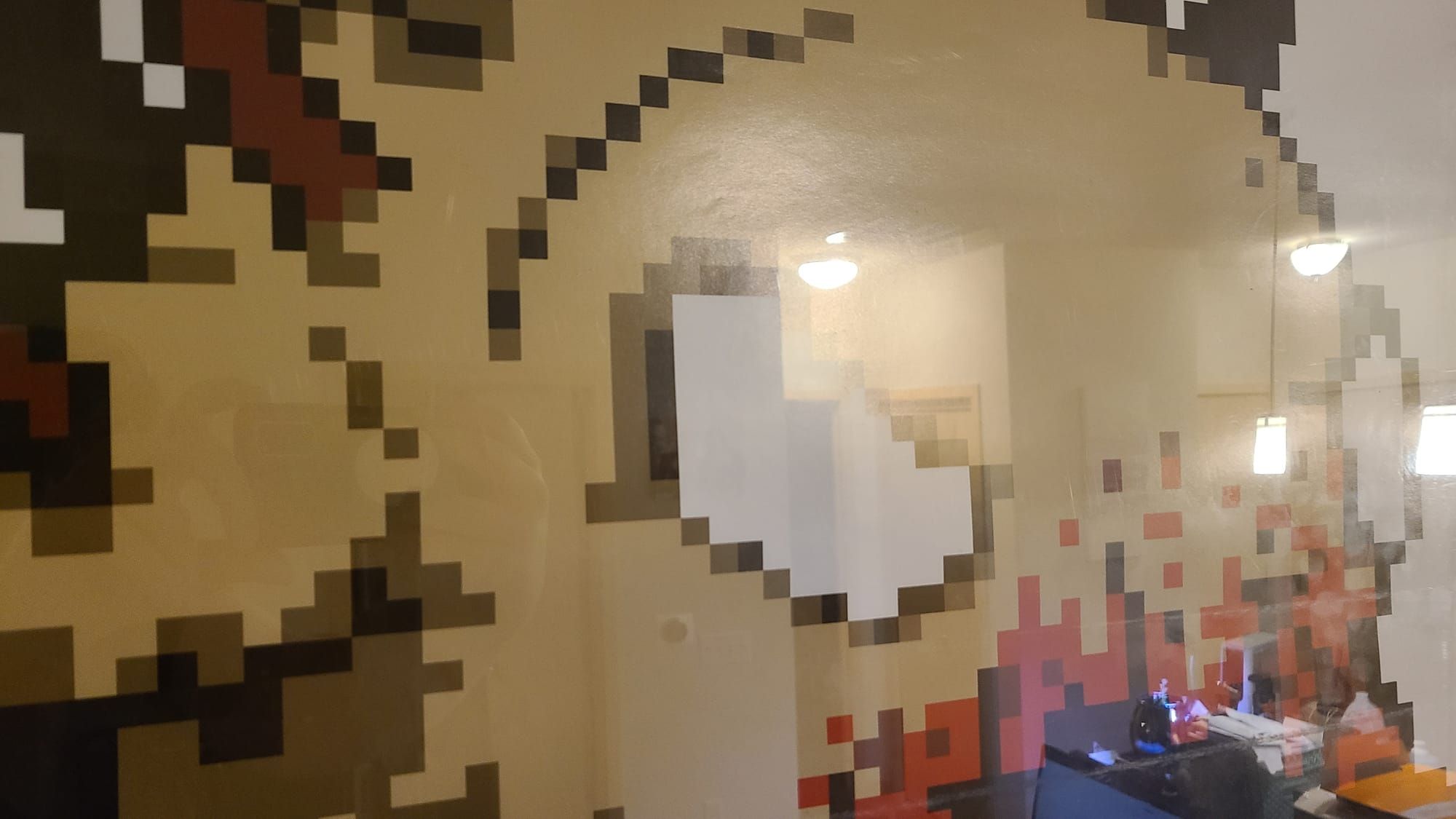
suteF Fifteen Years Later
The cold depths of winter arrive once more. Released 15 years prior, suteF is now mostly forgotten by the world, but still provides much from which I can learn.
When I reflect on suteF, it always reveals more lessons. This year, I can't help but think I was doing so much right in 2010. Emotionally, I was avoiding large parts of myself, but my game development ideas and methods were surprisingly effective.
Naturally, I tried doing things "the right way" in the first 10 years after finishing suteF, things like, "the code has to be good and clean" and "people will appreciate the effort that this solution took," not realizing that there were principals in my earlier work that more effectively sold my ideas and fostered my success.
I often neglect the crafting of it and the subtle strategies I was using to do so.
Constant Collabs
The choices put into suteF came down to me in the end, but at Herzing, I was in an environment where others would be interacting with me an my game often and providing their feedback and ideas. I would watch people playtest it to see what parts worked and what their reactions were. Bodies falling from the ceiling in the Chapter F finale was a suggestion from a classmate that I thought worked great.
I chatted very frequently on Game Jolt back then and was doing game jams to make cool shit with other site members -- Heatex, Icewave, Brod, scoz, Ashley Gwinnell, and even Noel Berry briefly on an unfinished thing. Three of the folks I mentioned even helped with aspects of suteF.
These collaborations stand in contrast to my later works. I took a much more "personal taste" approach to Thunder Gun and Crime Reaper, developing the exact things that I wanted to see through my own testing and biases (although I did work with Autumn Beauchesne on Crime Reaper in several aspects and get her ideas in there).
The Fiction
There is a fiction in the indie game space that you're doing all of this by yourself, and for the longest time I believed it. I wanted to hold the entire world on my shoulders to proclaim "I did it," and without anyone's help.
It may have existed, but I never felt people discussed a lot about the people that help you along the way, be it mentorship, collaboration, or just general support. If the discussion did exist, I was very much blind to it in my development for a long time.
What I'm seeking to change the next time I take a try at Indie Games is to more readily embrace the collaboration. I want to work with others to make interesting things. My ideas only go so far. It's humbling to admit it.
I'm not discounting my contributions to my work, I worked really hard on my stuff. I'm only acknowledging that it's so much larger than just the work I did, and that without people around me to check on my ideas and give their own, I could only get so far.